What is PDF (Portable Document Format)?
PDF stands for Portable Document Format. It is a file format developed to present documents, including text and images, in a manner independent of application software, hardware, and operating systems. PDFs are widely used for distributing documents so they appear consistent across different platforms.
Adobe introduced PDF in 1993, basing it on its PostScript page description language. PDF became an open ISO standard (ISO 32000) in 2008, which is why every PDF reader, not just Adobe’s, can open one. The format is still actively developed, and the current version is PDF 2.0.
Who runs the PDF world?
The PDF Association is the organisation responsible for PDF (and well worth joining if you work with PDF files). They organize conferences and offer many free online resources for those working with PDFs.
Adobe (the original format creator) is a key member, and the association includes many other PDF vendors including IDRsolutions.
What are the advantages of PDF files?
PDF files are popular because they preserve the layout, fonts, and graphics, ensuring consistent display on all devices, no matter where you open them. PDFs can be secured with passwords, allowing certain people to view and edit them, and thus enhancing data protection.
PDF files can store, high-quality content in smaller file sizes, making them easier to share through email or online. Moreover, you can sign them digitally, which is useful for official papers.
They can include interactive features like hyperlink, buttons, forms and video. Users can add annotation with notes, highlighting text, and make comments directly on the document.
Not every PDF is the same. Ordinary PDF is deliberately loose about what a file can contain: it can reference external fonts, carry JavaScript and embed video. A stricter subset called PDF/A locks all of that down so a file stays readable decades later, which is why it is used to archive documents such as contracts, medical notes and architectural designs.
How is a PDF different from Word, JPG, or HTML?
Each of those formats is built for a different job. Word is easy to edit but isn’t guaranteed to look the same on a machine with different fonts installed. A JPG can show a document as a picture but has no real text underneath it. HTML is responsive and web-friendly, but it reflows by design, so the layout isn’t fixed.
PDF is the one built for “this must look exactly the same on your screen as it does on mine”. That is why converting a Word document to PDF before sharing it is standard practice: no weird overlaps, no substituted fonts, no formatting issues. What you see is what everyone else sees.
If you’re working heavily with images or want to convert your images to PDF, take a look at our Java image library JDeli.
How do I create a PDF?
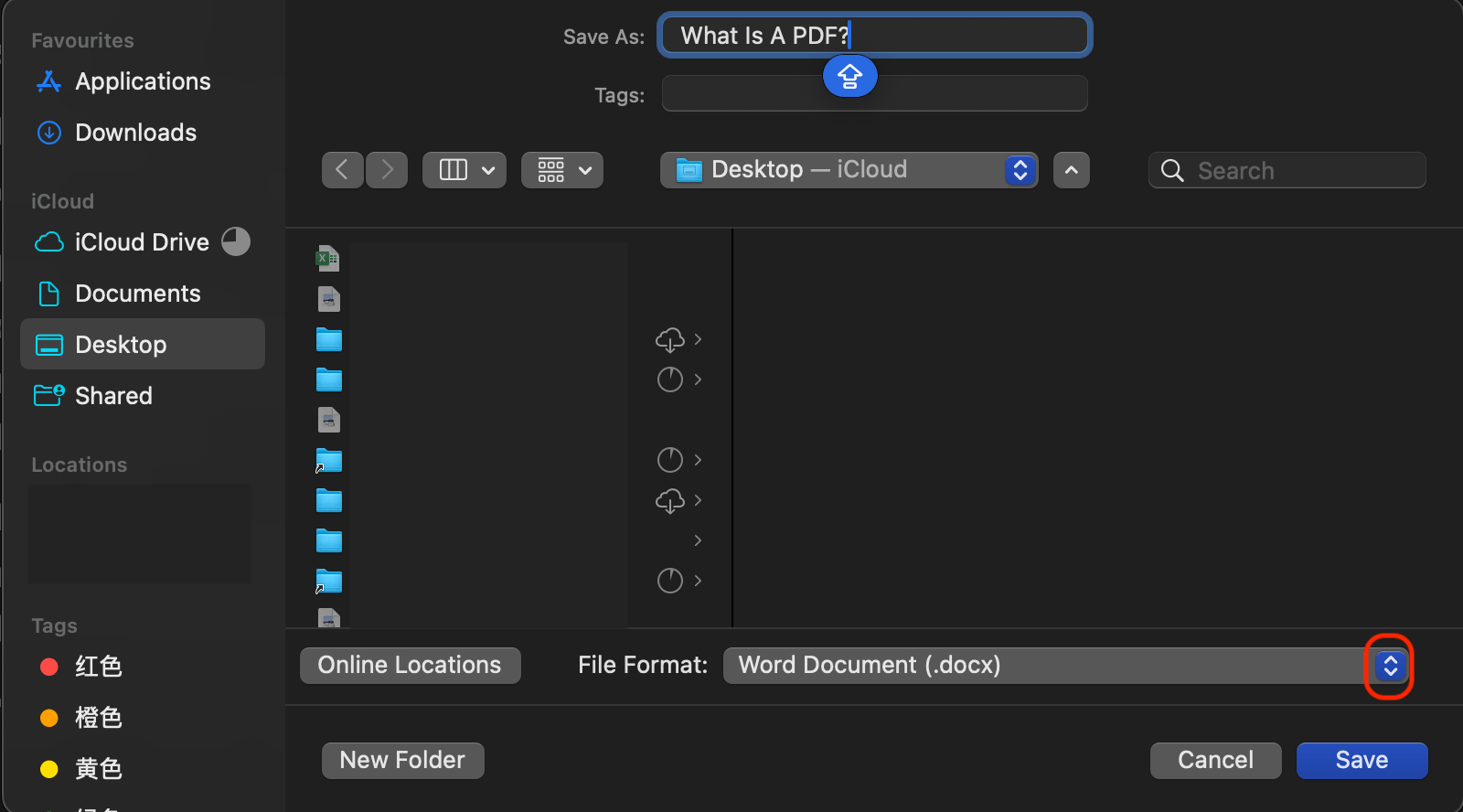
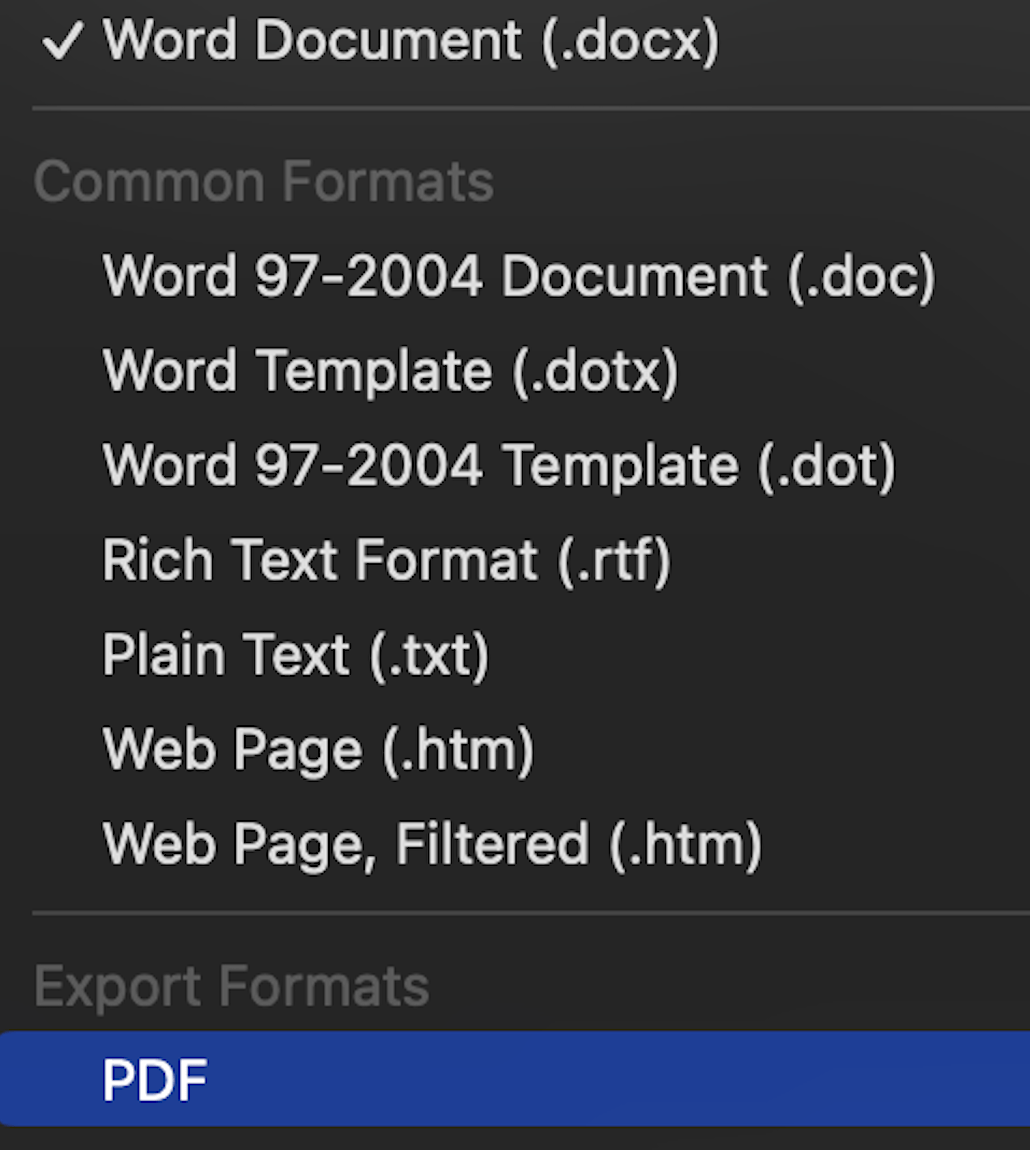
The easiest way to turn a Word document into a PDF is to save it as one. In most software, go to “File” > “Save As” and select PDF as the file format.
How do I open a PDF?
Chrome, Safari, Firefox and Edge all have built-in PDF viewers, so you usually need no extra software. Free desktop readers such as Adobe Acrobat Reader and macOS Preview also open them. Editing a PDF is a different matter and needs specialised (often paid) tools.
Is the PDF file format free?
Yes. PDF is an open ISO standard (ISO-32000) and you can download a copy of the latest specification from the PDF Association.
What are the easy steps to copy and paste from PDF?
- “Open” the file in a PDF reader.
- Use the ‘Select Tool’ to highlight the desired text, then right-click and choose ‘copy’.
- Open your desired application (like Word) and right-click, then choose ‘paste’ to insert the copied text.
Can I edit the PDF file manually?
The reality is that PDF structure is so complex that we require specific tools for effective editing. It’s best to use third-party libraries, such as our Java PDF library JPedal, to work with PDF files reliably. Even a small unintended change can corrupt the file. We explain why in why you can’t just open and edit a PDF file.
The manual editing of PDFs can be an intricate task. To get a clearer picture, explore our series titled “How to make your own PDF file” and discover the challenges of manual PDF manipulation.
What tools I can use to view the internals of PDF Files?
Directly attempting to edit or even view PDF file content in a standard text editor causes issues due to its unique encoding. This might corrupt the file, making it unreadable. Even a small change can damage the file (be cautious -even adding a space can break it) and many PDFs have encrypted or compressed data. Open one in a text editor and you get something like this:
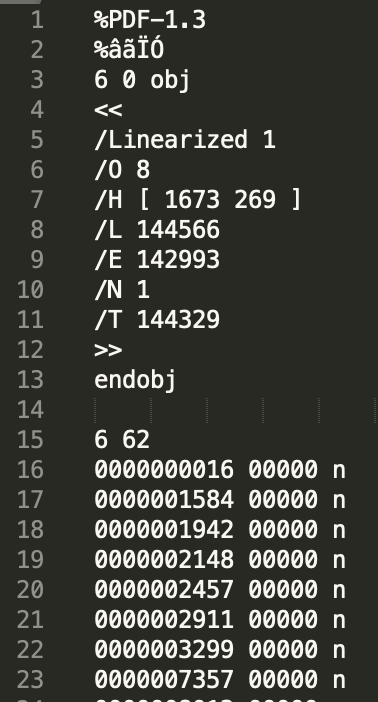
You can use a free PDF Inspector to investigate the internal structure and content of a PDF file.
How can I learn about the internal structure of PDFs?
The best source is the PDF reference manual. It’s detailed and thorough but can be a bit heavy for some readers. The manual explains most of the internal workings of the PDF file format.
The first 2 chapters provide an excellent overview of the PDF file format. If you find it more technical, then Wikipedia offers a simpler explanation about PDFs. Both sources will help you grasp the basic as well as the advanced structure of PDF files.
Is the PDF file format Open?
The PDF File format was originally produced by Adobe but it is now an Open Specification (ISO-32000) and anyone can join the committees and participate in shaping its new features and versions.
Is PDF file safe?
PDF files, like any other documents are usually safe. But sometimes, PDFs can be exploited to carry harmful links. So, be careful when especially when downloading PDFs from unverified sources or suspicious emails.
It’s always good to check where they come from and make sure they’re safe before opening them. Don’t enter any personal details or logins if not totally sure. When handling any digital content, always prioritize your safety.
There are several ways you can protect your PDF files.
How do I integrate PDF into a website?
You can integrate PDF into a website using a viewer plugin such as PDF.js, or by converting PDF files to HTML5. IDRsolutions’ BuildVu product converts PDFs to HTML5 so they can be embedded directly in a web page. For interactive PDF forms, FormVu converts AcroForms and XFA forms to HTML5 so they can be filled in a browser.
Are there any recommended resources for PDF developers?
For more on developing with PDFs, read our series Understanding the PDF file Format, our list of 10 things new PDF developers need to know, and our guide to what Java developers need to know about PDF files.
To dig into the structure yourself, start by viewing the PDF objects (the building blocks of the file) and learning what a PDF dictionary is. Finding out the PDF version of a file tells you which features it can use.
Can I talk to someone about my PDF problems?
If you’re looking to solve a PDF problem using our software, we’re happy to chat. You’ll be talking to knowledgeable technical people, not sales reps. Get in touch.
Our software libraries allow you to
| Convert PDF files to HTML |
| Use PDF Forms in a web browser |
| Convert PDF Documents to an image |
| Work with PDF Documents in Java |
| Read and write HEIC and other Image formats in Java |